


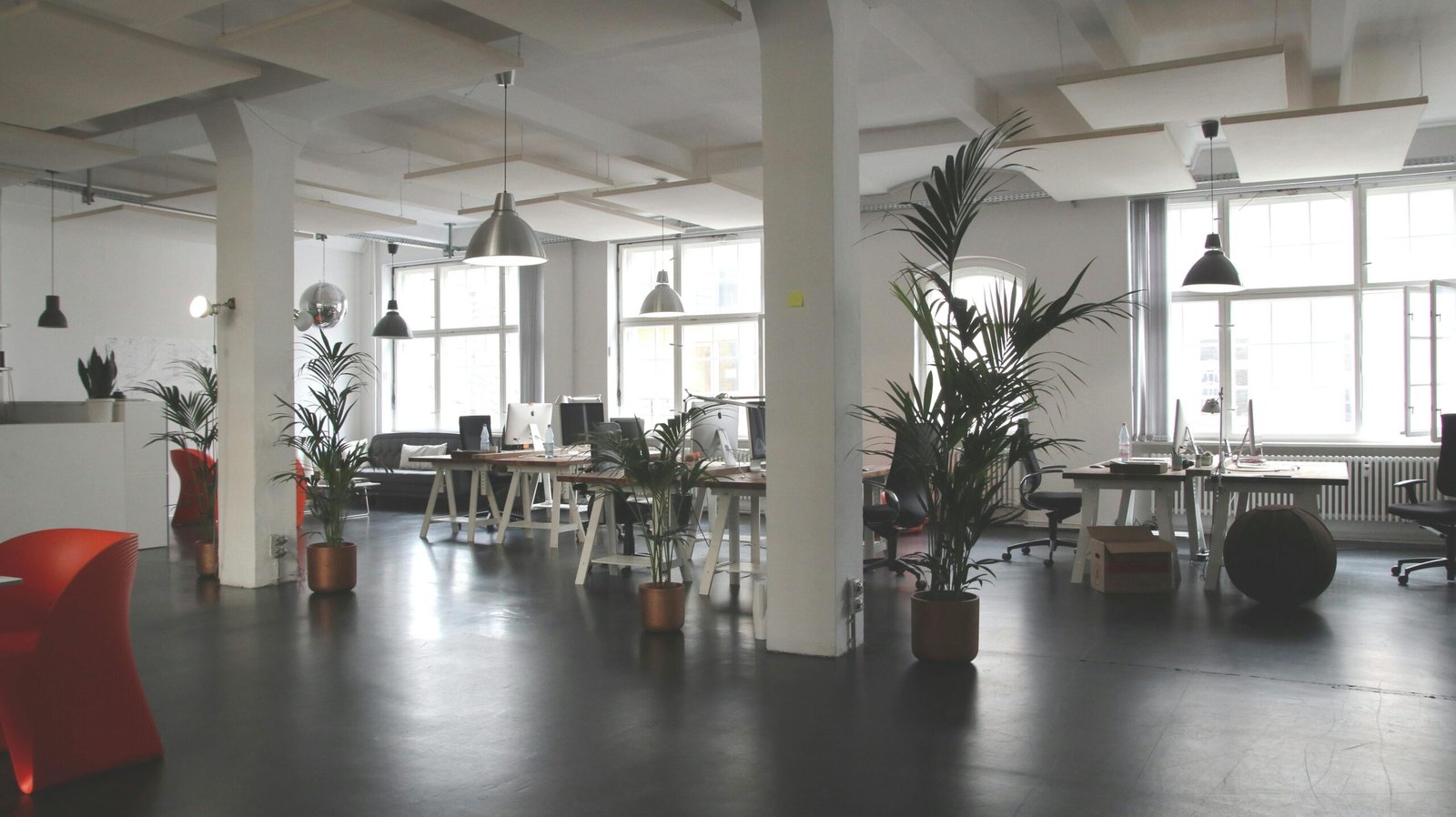
Creating a well-organised office is about more than simply ensuring there are enough desks. It’s about optimising the space to enable efficient, productive work. Research shows a clear link between a clean, clutter-free environment and increased productivity, not to mention improvements in employee morale. Space management is one of the most important aspects to stay on top of in any office.
Why Space Management is So Important
Creating a well-organised office is about more than simply ensuring there are enough office desks. It’s about optimising the space to enable efficient, productive work. Research shows a clear link between a clean, clutter-free environment and increased productivity, not to mention improvements in employee morale. Space management is one of the most important aspects to stay on top of in any office.
Top Strategies for Efficient Office Space Use
- Flexible Layouts
Don’t feel bound by a rigid office layout. Choose modular, lightweight, and easily movable office furniture to give your workspace flexibility. This approach allows you to adapt quickly to new employees, changing team structures, or project-based needs without overhauling the entire office. - Multipurpose Areas
Maximise your office’s utility by creating areas that serve multiple functions. A space that doubles as a meeting and dining area or a work and relaxation zone ensures efficient use of space while encouraging team collaboration and a positive work environment. Why not create a cosy lounge where employees can brainstorm over coffee or relax on comfortable couches during breaks? - Smart Storage Solutions
Get smart with storage! Vertical storage, compact cabinets, and wall shelving free up valuable floor space, allowing your team to work without distractions. Efficient storage is key to maintaining a clean, clutter-free office that supports productivity.
Incorporating Technology for Space Optimisation
Digital technology is a valuable ally in office space management. Smart solutions, like desk-booking systems and online meeting room reservations, help manage occupancy and avoid overcrowding. Space management software, including sensors or occupancy-tracking tools, can provide data on how your space is used, enabling you to make informed adjustments in the future.
Maximising Shared and Communal Spaces
Design communal spaces that encourage interaction and collaboration while maintaining order. Use flexible seating and ensure plenty of quiet zones so teamwork doesn’t interfere with concentration. Keep break rooms and lounges spacious and uncluttered to make them inviting and relaxing rather than cramped and chaotic.
Creating Zones for Different Work Needs
Activity-based working is increasingly popular, and for good reason. Zones dedicated to collaboration, focused work, relaxation, and socialisation cater to various employee needs. Ensure each area has appropriate Acoustics, lighting, and privacy to support diverse work styles effectively. This tailored approach can help employees feel comfortable and productive in any part of the office.
Sustainable and Scalable Space Solutions
Create a workspace that serves your needs and respects the environment. Opt for sustainable materials and energy-efficient lighting where possible. Also, design your space scalable, allowing room for growth as your company expands. A flexible, eco-friendly workspace will stay relevant, adaptable, and aligned with today’s sustainability values.
Managing The Space in Your Office Like a Boss
There’s nothing quite like a well-organised, thoughtfully-designed office to boost creativity and productivity. Following the tips in this guide, you can create a workspace that supports your team, goals, and bottom line.
An organised, optimised office isn’t just about aesthetics; it’s about fostering a positive, high-performing work environment where people and ideas can thrive.
