


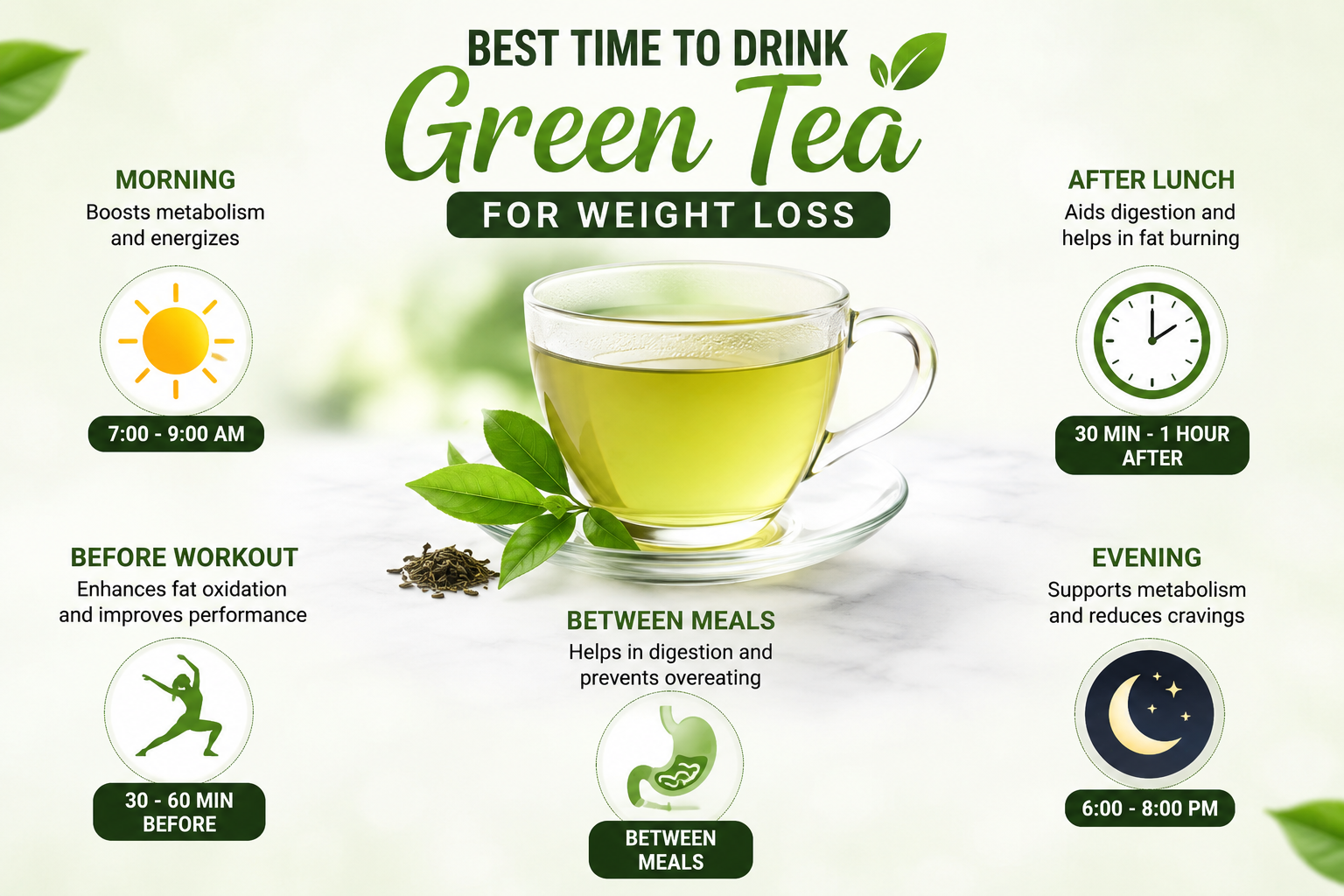
The journey toward weight loss often involves simple, consistent daily choices, and incorporating green tea is one of the most effective natural habits you can adopt. Packed with powerful antioxidants and compounds that boost metabolism, green tea has earned a top spot in wellness and fitness routines worldwide. However, simply sipping green tea throughout the day won’t deliver maximum results. When you consume it plays a critical role in how efficiently your body absorbs its nutrients and burns fat.
To maximize fat loss, improve digestion, and maintain high energy levels, understanding the precise timing for your daily cup is essential.
Why Timing Matters for Green Tea and Fat Loss
Green tea contains two primary compounds responsible for its health and weight loss benefits: epigallocatechin gallate (EGCG), a potent antioxidant, and caffeine. Together, these compounds stimulate the central nervous system, increase metabolic rate, and enhance fat oxidation (the process of breaking down fat stored in cells to use for energy).
Drinking green tea at strategic times ensures your body absorbs maximum EGCG without interfering with nutrient absorption or disturbing your sleep cycle.
- Metabolic Stimulation: Consuming green tea during periods of high activity or right before movement forces the body to utilize fat stores for energy more efficiently.
- Appetite Regulation: Strategic timing helps curb unnecessary cravings and prevents overeating.
- Digestive Efficiency: Proper interval timing aids gastrointestinal motility without causing stomach distress.
The Best Times to Drink Green Tea for Fat Burning
To get the absolute most out of every cup, align your intake with your body’s natural circadian rhythms and meal times. Here is a detailed breakdown of the optimal windows throughout the day.
       [ Morning (Post-Breakfast) ]  --> Jumpstarts metabolism & controls morning hunger
                     │
       [ 30 Mins Before Workout ]    --> Maximizes fat oxidation during exercise
                     │
       [ 45 Mins After Lunch ]       --> Prevents post-meal slumps & aids digestion
                     │
       [ Early Afternoon (2–4 PM) ]  --> Curbs cravings & replaces sugar/snack impulses
1. In the Morning (After Breakfast)
Many people make the mistake of reaching for green tea on an empty stomach first thing in the morning. While the idea of kickstarting metabolism immediately sounds good, drinking green tea on an empty stomach can cause stomach discomfort or nausea due to its high concentration of tannins. Tannins increase stomach acid, which can disrupt digestion.
The Ideal Approach: Enjoy your breakfast first—preferably one rich in lean protein and complex carbohydrates—and sip your cup roughly 30 to 45 minutes afterward.
- Why it works: It gently elevates your metabolic rate for the rest of the morning while allowing your body to process solid food comfortably.
2. 30 Minutes Before Exercise
If you want to accelerate fat burning during workouts, drinking green tea approximately 30 to 45 minutes before exercising offers a major advantage.
- Increased Fat Oxidation: Studies show that consuming EGCG combined with caffeine shortly before physical activity increases fat burning during aerobic exercises.
- Enhanced Endurance: Caffeine acts as a natural performance booster, providing clean energy without the sharp spikes and crashes associated with synthetic pre-workout supplements or heavily sweetened drinks.
- Improved Stamina: You can train harder and longer, leading to higher overall calorie expenditure.
3. 30 to 45 Minutes After Meals
Drinking green tea after lunch or dinner can aid digestion and prevent post-meal sluggishness. However, timing here requires precision.
Avoid drinking green tea directly with your food. Green tea contains catechins that can inhibit the absorption of non-heme iron (plant-based iron) and calcium from your meal.
- The Golden Rule: Wait at least 30 to 45 minutes post-meal before drinking green tea.
- The Benefit: This window allows your stomach to absorb essential vitamins and minerals from your food while still capitalizing on green tea’s ability to reduce blood sugar spikes after eating.
4. Late Afternoon (2:00 PM – 4:00 PM)
The mid-afternoon slump is usually when energy drops and sugar cravings peak. Swapping sugary snacks, milky coffees, or processed sodas for a hot or iced green tea provides a dual benefit:
- Appetite Control: The fluid volume combined with active catechins helps suppress ghrelin (the hunger hormone), keeping late-afternoon snack cravings at bay.
- Sustained Focus: The unique combination of caffeine and L-theanine (an amino acid that promotes relaxation without drowsiness) provides sustained mental clarity without jitteriness.
Daily Schedule Overview: Optimal Green Tea Timing
| Time Window | Target Purpose | Key Benefit | Important Note |
| Morning (8:30–9:30 AM) | Post-breakfast kickstart | Elevates resting metabolic rate | Always eat food first to avoid acid upset. |
| Pre-Workout | 30 mins before training | Accelerates fat oxidation during exercise | Pairs well with cardio or strength sessions. |
| Post-Lunch (1:30–2:30 PM) | Digestion & blood sugar stability | Prevents afternoon energy crashes | Wait 30–45 mins after eating. |
| Late Afternoon (3:30–4:30 PM) | Craving suppression | Stops unhealthy evening snacking | Last cup of the day to protect sleep quality. |
Times You Should Avoid Drinking Green Tea
Knowing when not to drink green tea is just as vital for your health and weight loss journey as knowing when to drink it.
1. Immediately Before Sleep
Green tea contains caffeine. Although the amount is significantly lower than in coffee (roughly 25–35 mg per cup compared to 95+ mg in coffee), consuming it within 4 to 6 hours of bedtime can disrupt sleep architecture.
Restful sleep is one of the most underappreciated factors in weight management. Poor sleep elevates cortisol (the stress hormone), which triggers fat storage—particularly around the abdominal area—and increases cravings for high-calorie foods the following day.
2. On a Completely Empty Stomach
Drinking green tea on an empty stomach triggers excessive gastric acid production, leading to heartburn, nausea, or upset stomach. Always pair or follow your green tea with a small meal or light snack.
3. Directly With Meals
As mentioned, sipping green tea alongside your lunch or dinner binds the tannins to minerals like iron and zinc, rendering them unavailable for absorption. Keep drinks separate from mealtime solid foods by a half-hour buffer.
How Much Green Tea Should You Drink per Day?
For effective fat loss without side effects, 2 to 3 cups per day is the optimal sweet spot.
This volume provides approximately 240 to 320 mg of polyphenols (including EGCG) and around 75 to 100 mg of caffeine, which is sufficient to boost metabolism without causing caffeine sensitivity, anxiety, or digestive issues.
  1 Cup / Day   --> Mild health benefits & hydration
  2-3 Cups / Day --> OPTIMAL WINDOW for metabolic boost & fat oxidation
  5+ Cups / Day  --> Risk of caffeine jitters, iron deficiency, gastric acid
How to Prepare Green Tea for Maximum Nutrient Retention
Steeping green tea incorrectly can ruin its taste and destroy its heat-sensitive antioxidants. Follow these guidelines for maximum potency and flavor:
- Avoid Boiling Water: Pouring boiling water ($100^\circ\text{C}$) directly onto green tea leaves scalds them, destroying beneficial catechins and making the tea taste bitter. Let boiled water sit for 2–3 minutes to cool down to roughly 75°C–80°C ($167^\circ\text{F}–176^\circ\text{F}$) before pouring.
- Steep for 2 to 3 Minutes: Steeping for less than two minutes won’t release enough compounds, while steeping for longer than three minutes releases excessive tannins, creating a harsh flavor.
- Add Lemon Juice: Squeezing fresh lemon juice into your green tea adds Vitamin C, which stabilizes the EGCG antioxidants and makes them up to five times more absorbable by the body.
- Skip Refined Sugars: Adding sugar, artificial syrups, or heavy creamers negates the calorie deficit required for fat loss. If you prefer sweetness, use a small drop of raw honey or steeping herbs like mint.
Key Takeaways
To turn green tea into a true fat-loss accelerator, consistency and timing are everything:
- Best Windows: 30–45 minutes after breakfast, 30 minutes before a workout, and mid-afternoon.
- Avoid: Empty stomachs, during meals, and within 6 hours of bedtime.
- Daily Goal: 2 to 3 freshly brewed cups daily with a splash of lemon.
By integrating green tea into these strategic times, you harness its full biological potential—boosting your metabolism, controlling your appetite, and bringing you closer to your fitness goals every single day.
