


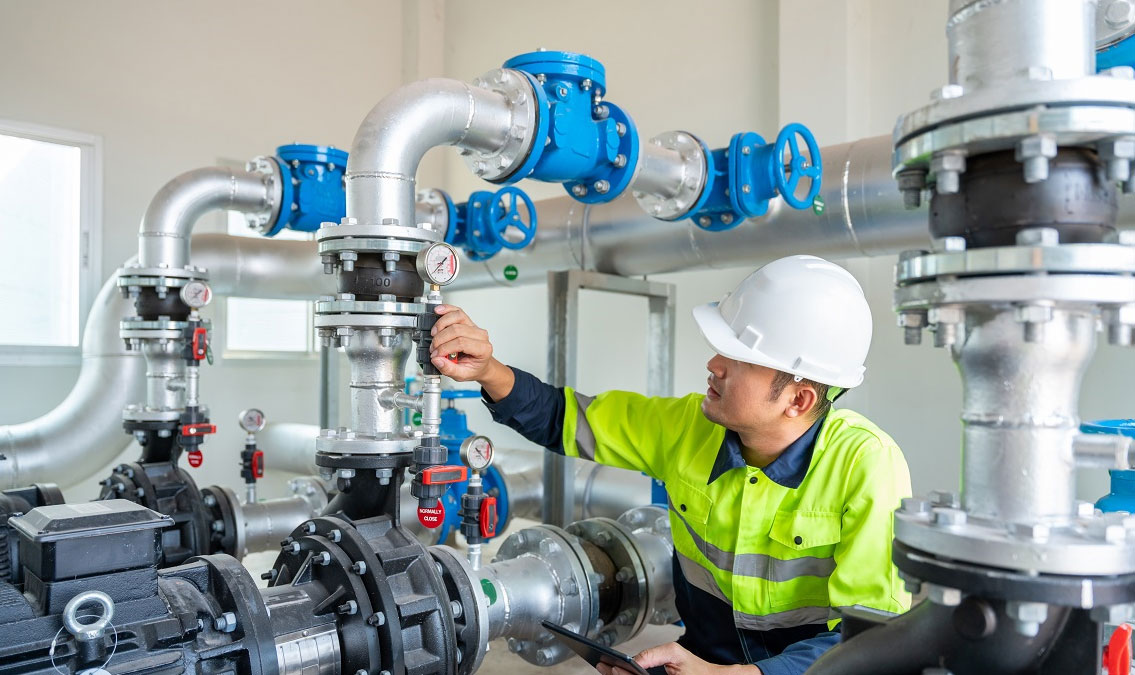
Industrial pumps are the backbone of many manufacturing, processing, and utility operations. They move liquids, chemicals, and slurries across facilities, ensuring smooth production processes. However, like any mechanical equipment, industrial pumps are susceptible to wear and tear, leading to reduced efficiency, unexpected downtime, and costly repairs. Industrial pump repair is essential to maintain optimal performance, extend equipment life, and prevent operational disruptions.
Understanding Industrial Pumps
Industrial pumps come in various types and configurations, including:
- Centrifugal Pumps: Ideal for high-flow, low-pressure applications.
- Positive Displacement Pumps: Suitable for viscous fluids and precise flow control.
- Submersible Pumps: Used for pumping liquids from tanks or underground sources.
- Gear Pumps and Screw Pumps: Common in chemical and petroleum industries.
Each pump type has specific components such as bearings, seals, impellers, and shafts that require maintenance and occasional repair.
Common Causes of Industrial Pump Damage
Industrial pumps operate under demanding conditions, which can lead to:
- Mechanical Wear and Tear
Continuous operation can degrade components like impellers, shafts, and bearings. - Corrosion and Erosion
Pumps handling chemicals or abrasive materials are prone to corrosion and surface erosion, reducing efficiency. - Seal Failures
Worn or damaged seals can cause leakage, fluid contamination, and safety hazards. - Overheating and Cavitation
Improper flow, low fluid levels, or excessive pressure can cause cavitation and overheating, damaging internal components. - Misalignment
Incorrect installation or foundation issues can misalign pump and motor shafts, causing vibration and premature failure.
Signs Your Industrial Pump Needs Repair
Early detection of pump issues can prevent extensive downtime. Watch for:
- Reduced flow or pressure output
- Unusual vibrations or noise
- Leaks around seals or fittings
- Increased energy consumption
- Frequent tripping of motors or drives
Regular monitoring and preventive maintenance can catch these issues before they escalate.
Industrial Pump Repair Process
Professional industrial pump repair typically involves the following steps:
- Inspection and Diagnosis
Technicians assess the pump for wear, corrosion, and misalignment. Specialized tools may measure vibration, flow, and pressure to identify root causes. - Disassembly
The pump is carefully disassembled to examine internal components such as impellers, shafts, bearings, and seals. - Component Repair or Replacement
Damaged parts are repaired, refurbished, or replaced. High-quality replacement components ensure the pump operates efficiently. - Reassembly and Testing
The pump is reassembled with precision alignment and tested for flow, pressure, and vibration levels to ensure proper functioning. - Preventive Recommendations
Technicians provide guidance on maintenance schedules, lubrication, and operational best practices to extend pump life.
Benefits of Timely Industrial Pump Repair
Investing in professional pump repair offers several advantages:
- Reduced Downtime: Quick repairs minimize production interruptions.
- Cost Savings: Repairing a pump is often cheaper than full replacement.
- Improved Efficiency: Restored pumps operate at optimal flow and pressure levels.
- Extended Equipment Lifespan: Regular maintenance and repairs prevent premature failures.
- Enhanced Safety: Properly repaired pumps reduce the risk of leaks, contamination, and workplace hazards.
Preventive Maintenance Tips for Industrial Pumps
Regular maintenance can reduce the frequency and cost of repairs:
- Routine Inspection: Check for leaks, noise, and vibration.
- Lubrication: Ensure bearings and moving parts are properly lubricated.
- Seal Monitoring: Replace worn seals before they fail.
- Alignment Checks: Verify proper alignment between pump and motor shafts.
- Filter and Strainer Cleaning: Keep fluids free from debris to prevent damage.
- Temperature and Pressure Monitoring: Avoid operating outside recommended limits.
Choosing the Right Industrial Pump Repair Service
When selecting a repair service, consider:
- Experience and Expertise: Choose technicians familiar with your pump type and industry standards.
- Quality of Parts: Ensure high-quality OEM or compatible replacement components.
- Turnaround Time: Quick and efficient service minimizes downtime.
- Preventive Support: Opt for providers offering ongoing maintenance and inspection services.
Conclusion
Industrial pumps are critical to smooth operations across industries. Timely industrial pump repair not only restores performance but also extends equipment life, reduces operational costs, and ensures workplace safety. Whether addressing wear and tear, seal failure, or misalignment, partnering with experienced professionals ensures your pumps continue running efficiently and reliably.
FAQs About Industrial Pump Repair
- How often should industrial pumps be serviced?
Routine inspections every 3–6 months are recommended, depending on usage and fluid type. - Can all pump issues be repaired, or are some pumps better replaced?
Minor wear and seal issues are usually repairable, but severely corroded or outdated pumps may need replacement. - How long does a typical pump repair take?
Depending on the severity, repairs can take a few hours to several days. - Are there temporary fixes for pump failures?
Temporary measures exist but are not recommended for long-term reliability or safety. - Can proper maintenance prevent most repairs?
Yes. Preventive maintenance reduces the risk of unexpected failures and extends pump life.
