


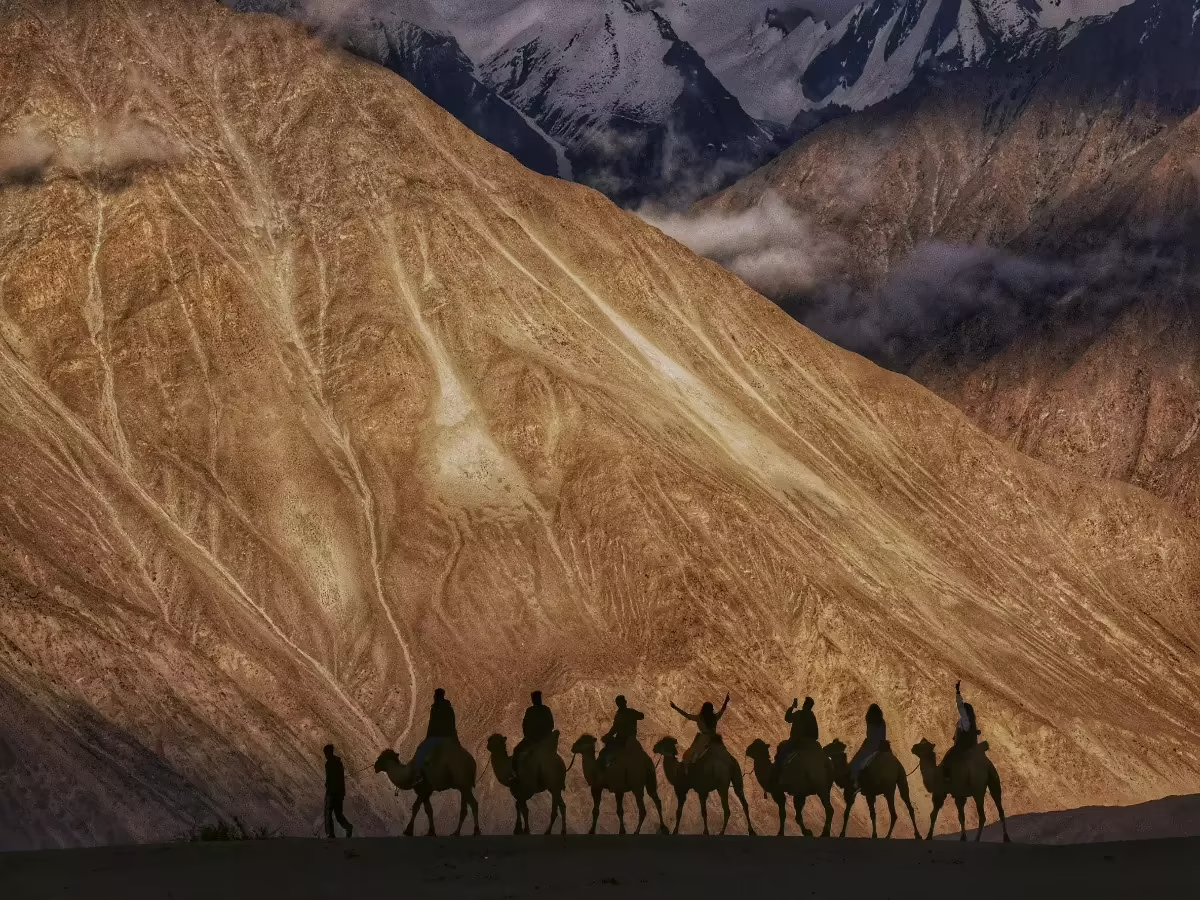
The Silk Road was more than just a trade route. It connected the East and West for centuries. Merchants, travelers, and explorers walked its vast paths. Today, Silk Road pictures help us see what words cannot describe. These pictures capture the beauty, culture, and history of the regions it crossed.
In this article, we will explore the Silk Road through images. We will look at desert landscapes, ancient cities, colorful markets, and historic monuments. These photos tell stories of the past. They show us how people lived, traded, and traveled.
Let’s take a visual journey through the Silk Road.
What Is the Silk Road?
The Silk Road was a network of trade routes. It stretched from China to the Mediterranean Sea. Traders used it from around 130 BCE to the 1450s. It got its name because of the silk that moved along it.
But silk was not the only item. Traders carried spices, tea, salt, sugar, and precious stones. They also exchanged ideas, religions, and cultures.
Silk Road pictures reflect this rich diversity. They show more than trade. They reveal the soul of ancient civilizations.
Why Silk Road Pictures Matter
Photos help us connect with history. They freeze time. They make the past feel real. Silk Road pictures give us a window into:
- The landscapes that shaped journeys.
- The people who lived along the route.
- The architecture that still stands today.
- The culture that continues to inspire.
These images are not just beautiful. They are also educational.
Top 10 Breathtaking Silk Road Pictures
Here are ten stunning visuals you might see when exploring Silk Road galleries:
1. The Mogao Caves in Dunhuang, China
These caves hold Buddhist art from over a thousand years ago. Paintings and sculptures fill the walls. The caves glow with colors even today.
2. The Great Wall Over the Gobi Desert
One section of the Great Wall runs along the Silk Road. It protected merchants and travelers. Photos here show vast desert views and ancient stonework.
3. Caravans in the Taklamakan Desert
Camel caravans were common on the Silk Road. Images of these long lines of camels show the harsh but beautiful desert environment.
4. The Registan in Samarkand, Uzbekistan
Three madrasahs (Islamic schools) form this grand square. Their blue tiles shine in pictures. The architecture reflects Persian and Islamic art.
5. Traditional Bazaars in Kashgar, China
Colorful markets show spices, fruits, and fabrics. Local vendors wear traditional clothing. These pictures show culture in motion.
6. The Ancient City of Merv, Turkmenistan
Ruins of this once-great city sit quiet in the desert. Photos capture large walls, towers, and the remains of palaces.
7. The Pamir Mountains in Tajikistan
Travelers crossed these high mountains. Pictures show winding roads, clear blue lakes, and snowy peaks.
8. The Blue Domes of Bukhara
Bukhara has over 140 architectural monuments. Silk Road pictures show mosques, tombs, and trading domes.
9. The City Walls of Khiva, Uzbekistan
Khiva looks like a living museum. Its mud-brick walls and narrow streets transport viewers to the past.
10. Silk Weaving in Hotan, China
Photos of women weaving silk show the craft that gave the road its name. These scenes connect modern people with ancient skills.
The Cultural Value of Silk Road Pictures
Each picture tells a story. Together, they form a bigger picture of human history. Here’s what we learn from them:
- Art and Religion: Buddhist, Islamic, and Christian art appear along the route.
- Fashion and Textiles: Clothing styles reveal local traditions and materials.
- Trade and Travel: Images of goods and routes show how people moved and traded.
- Architecture and Innovation: Buildings show advanced design and cultural pride.
These details help historians and travelers alike.
Best Places to Find Silk Road Pictures
If you want to find high-quality Silk Road photos, these sources may help:
1. Online Archives
- UNESCO World Heritage Sites
- The British Museum Digital Collections
- The Smithsonian Silk Road Project
2. Travel Blogs and Vlogs
- Many travelers document their Silk Road trips with photos.
- Search for blogs on Uzbekistan, Iran, or Western China.
3. Social Media Platforms
- Instagram hashtags like #SilkRoad or #SilkRoadPictures.
- Pinterest boards with historical photos.
4. Photography Books
- “The Silk Road: A New History” by Valerie Hansen
- “Along the Silk Road” by Frances Wood
5. Documentaries and Films
- National Geographic and BBC have made visual journeys of the route.
How to Take Your Own Silk Road Pictures
Planning to travel the Silk Road? Here are tips for great photos:
1. Respect Local Culture
- Ask before photographing people.
- Dress modestly in religious sites.
2. Use Natural Light
- Early morning or late afternoon gives the best light.
- Avoid harsh midday sun.
3. Focus on Details
- Capture markets, food, fabrics, and faces.
4. Tell a Story
- Show the journey, not just the destination.
- Include signs of life: movement, animals, or weather.
5. Take Notes
- Record locations, names, and stories behind photos.
Silk Road Countries and What to Expect in Photos
Let’s break down the countries involved and their photo highlights:
China
- Cities: Xi’an, Dunhuang, Kashgar
- Photos: Terracotta Army, Mogao Caves, Uyghur markets
Uzbekistan
- Cities: Samarkand, Bukhara, Khiva
- Photos: Blue domes, madrasahs, desert roads
Iran
- Cities: Tehran, Yazd, Tabriz
- Photos: Persian carpets, desert towns, ceramics
Turkey
- Cities: Istanbul, Erzurum
- Photos: Bazaars, mosques, caravanserais
Kazakhstan, Kyrgyzstan, and Tajikistan
- Photos: Mountains, yurts, nomadic life
India and Pakistan
- Photos: Buddhist sites, silk production, Mughal architecture
Each country adds a layer to the Silk Road story.
Using Silk Road Pictures for Education and Travel
These photos are ideal for:
- School Projects: Add visuals to history lessons.
- Presentations: Bring academic talks to life.
- Travel Planning: Inspire your route and must-see spots.
- Cultural Awareness: Understand the diversity of the region.
You can also use them for art inspiration or storytelling.
Final Thoughts on Silk Road Pictures
The Silk Road changed the world. It connected people across time and space. Today, Silk Road pictures keep that connection alive. They inspire wonder, teach history, and celebrate culture.
Whether you view them online or take your own, these photos have power. They show us what once was—and what still remains.
