


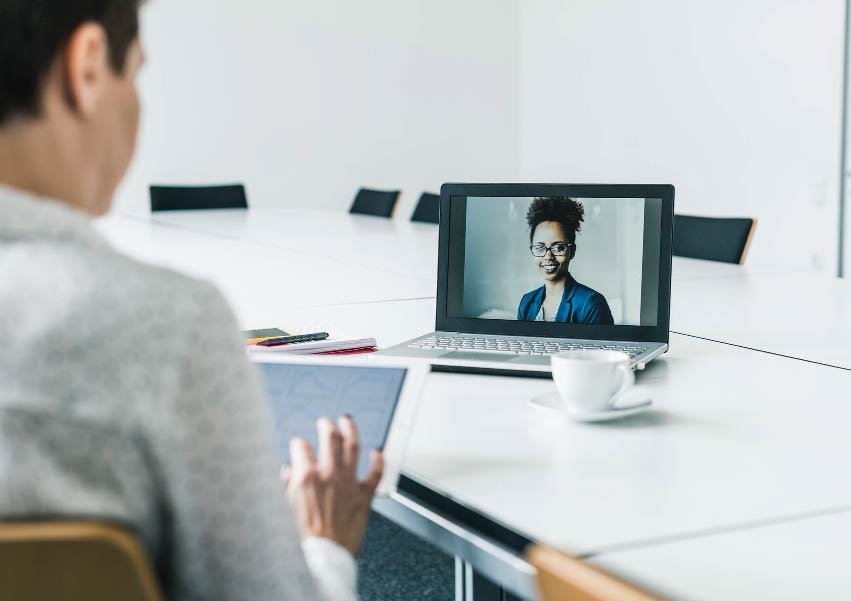
Remote proctoring has become an essential part of modern assessment, allowing exams to be taken outside traditional exam halls. While it solves challenges of scale and accessibility, the key issue is how it affects student equity—the fairness of opportunity for all learners to succeed under comparable conditions.
Removing Barriers, But Creating New Ones
At its simplest, equity in assessment begins with access. Remote proctoring can reduce barriers by allowing students to sit exams from home rather than travelling to a central location. For learners with mobility challenges, family responsibilities, or those based far from exam centres, this flexibility can transform access to education.
Yet, access is only equitable if all students can participate under similar conditions. For example, students without stable internet connections or personal devices are likely to face disadvantages. A study of students taking online proctored exams in New Zealand found that although most students felt reasonably confident and had sufficient digital access, there were observable inequalities based on ethnicity—meaning some groups were less likely to have equitable access to the technology needed for remote assessments. To uphold fairness, institutions need to anticipate these gaps and offer solutions such as equipment loans, backup venues, or data support.
Meeting Different Student Needs
Fair treatment goes beyond basic access. Students have varied learning and personal circumstances, and remote proctoring systems must allow adjustments, such as additional time, alternative input methods, or support tools, so that no learner is left at a disadvantage. Without such measures, assessments risk privileging only those who require no accommodations.
Embedding these considerations into remote exam design ensures that fairness is more than an afterthought—it becomes a core part of how assessments are delivered.
Guarding Against Bias in Monitoring
Fairness also depends on how students are observed during exams. Many remote proctoring systems use technology to flag unusual behaviour, such as frequent eye movements or background noise. Without careful calibration, these features can unintentionally disadvantage students who have less private space, disabilities, or cultural differences that influence behaviour.
Balancing exam integrity with student dignity is essential. Transparent communication about how monitoring works, combined with human review of automated flags, helps ensure that no group of students is unfairly penalised.
Promote Fairness With The Right Tools
Choosing tools that promote fairness is critical for achieving student equity in remote proctoring. Research shows that platforms evaluated for accessibility, inclusivity, and fairness help reduce digital inequalities—such as disparities in technology access—and accommodate diverse learning needs. Tools with strong accessibility features enable students requiring accommodations (e.g., extra time or alternative input methods) to participate without disadvantage.
Systems that include transparent monitoring processes and human review reduce the risk of bias against students from different cultural backgrounds or those with disabilities. By selecting proctoring solutions that meet these fairness criteria, institutions can decrease barriers related to technology access and monitoring bias, thereby supporting equitable exam conditions for all students. For example, platforms like Janison Remote are reviewed on these fairness dimensions, ensuring inclusive assessment environments that uphold academic integrity while promoting equal opportunity.
Confidence and Support for All Learners
Not every student approaches remote assessment with the same level of digital confidence. Some learners are adept at navigating online systems, while others may find the process stressful or unfamiliar. This difference can create inequities that affect performance.
Providing practice sessions, clear instructions, and accessible technical support helps level the field. When students are confident in the technology, their results reflect ability rather than familiarity with the system.
Making Remote Proctoring Work for Every Student
Student equity in remote proctoring is about more than convenience. It means ensuring that every learner, regardless of circumstance, has a fair chance to demonstrate their knowledge. When institutions address access, support diverse needs, minimise bias, and provide adequate preparation, remote proctoring can move beyond being a logistical solution and become a driver of genuine fairness in assessment.
