


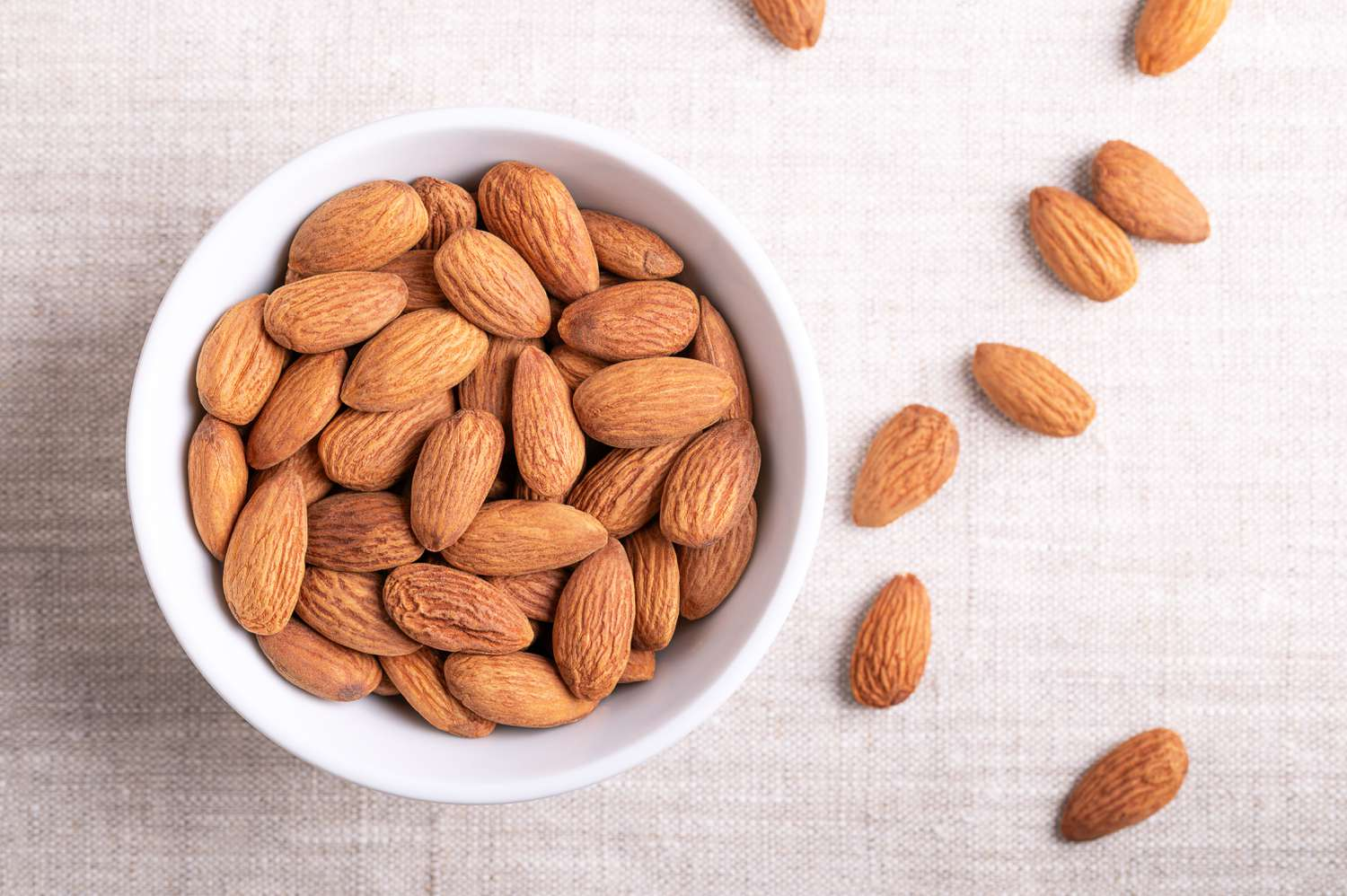
Almonds are widely regarded as one of the most versatile, nutrient-dense tree nuts on the planet. Originating in the Mediterranean climate zones of the Middle East, this humble seed from the fruit of the Prunus dulcis tree has evolved into a global dietary staple. Whether consumed raw as a quick snack, blended into creamy milk alternatives, ground into gluten-free flour, or pressed into cosmetic oils, almonds offer an impressive combination of flavor, texture, and health-promoting properties.
Understanding the Almond: Profile and Varieties
Although commonly classified as a nut, the almond is botanically a drupe—a stone fruit with an outer hull, a hard shell, and an inner edible seed. California produces roughly 80% of the world’s almond supply, followed by regions across Spain, Australia, and Italy.
Different varieties offer distinct shapes, shell hardnesses, and flavor profiles tailored to specific culinary uses:
- Nonpareil: The standard by which other varieties are measured. Known for its smooth, bright appearance, thin shell, and sweet, classic flavor, it is ideal for direct snacking and blanched applications.
- Carmel: A soft-shell variety that matures slightly later than Nonpareil. It features a darker, wrinkled kernel that works exceptionally well for roasting and processing into confectioneries.
- Mission: Recognized by its small, thick, dark skin and robust flavor. The firm kernel makes it a preferred choice for flavored, salted, or chocolate-coated snacks.
- Sonora: Features a larger, lighter-colored kernel with a sweet taste, making it popular for premium table nut mixes.
- Peerless: Primarily cultivated for its hard, decorative shell, often sold as whole nuts in the shell during seasonal holidays.
Nutritional Profile of Almonds
Almonds pack an extraordinary concentration of essential macronutrients, micronutrients, dietary fiber, and healthy fats into a compact serving size.
Nutritional Composition Per 1 Ounce (28g / ~23 Whole Kernels)
| Nutrient | Amount per Serving | Daily Value (% DV) |
| Calories | 164 kcal | 8% |
| Protein | 6.0 g | 12% |
| Total Fat | 14.2 g | 18% |
| Monounsaturated Fat | 8.8 g | — |
| Polyunsaturated Fat | 3.5 g | — |
| Saturated Fat | 1.1 g | 5% |
| Total Carbohydrates | 6.1 g | 2% |
| Dietary Fiber | 3.5 g | 12% |
| Sugars | 1.2 g | — |
| Vitamin E (Alpha-tocopherol) | 7.3 mg | 49% |
| Manganese | 0.6 mg | 27% |
| Magnesium | 76.5 mg | 18% |
| Riboflavin (Vitamin B2) | 0.3 mg | 25% |
| Copper | 0.3 mg | 32% |
| Phosphorus | 136 mg | 11% |
| Calcium | 76.3 mg | 6% |
| Iron | 1.0 mg | 6% |
| Potassium | 208 mg | 4% |
Core Health Benefits Supported by Science
1. Cardiovascular Health and Cholesterol Management
Heart disease remains a leading cause of global health concerns, and dietary intervention is one of the most effective preventative strategies. Almonds are rich in monounsaturated fatty acids (MUFAs), specifically oleic acid, which is the same heart-healthy fat found in extra virgin olive oil. Regular consumption helps reduce Low-Density Lipoprotein (LDL) cholesterol—often referred to as “bad” cholesterol—while preserving High-Density Lipoprotein (HDL) cholesterol.
Furthermore, the skin of the almond contains a dense concentration of polyphenol antioxidants. When consumed together with the healthy fats and Vitamin E in the kernel, these compounds help reduce LDL oxidation, a critical trigger in the formation of arterial plaque.
2. Blood Sugar Regulation and Metabolic Support
Managing post-meal glycemic spikes is essential for preventing metabolic syndrome and type 2 diabetes. Almonds possess a remarkably low glycemic index (GI), meaning they cause negligible shifts in blood sugar levels when consumed.
The high content of magnesium in almonds plays a crucial role in glucose metabolism. Magnesium acts as a cofactor in dozens of enzymatic pathways responsible for insulin sensitivity. Incorporating almonds into meals high in refined carbohydrates helps slow down stomach emptying, dampening the overall glycemic response of the meal.
3. Potent Source of Antioxidants and Vitamin E
Vitamin E refers to a group of fat-soluble antioxidants that protect cellular membranes from oxidative stress caused by free radicals. Oxidative damage contributes to premature aging, chronic inflammation, and degenerative conditions.
Just one ounce of almonds provides nearly half of the recommended daily intake of alpha-tocopherol, the most biologically active form of Vitamin E in humans. These antioxidants concentrate heavily in the brown, outer skin of the kernel, making whole, unpeeled almonds the superior choice for maximizing antioxidant intake.
4. Weight Management and Appetite Control
Despite being calorie-dense, dietary studies consistently show that regular almond consumption does not lead to weight gain when substituted for equal calories of processed snacks. Several factors explain this phenomenon:
- Satiety Signals: The unique combination of plant protein, structural fiber, and healthy fats triggers the release of satiety hormones like cholecystokinin (CCK) and peptide YY, keeping you feeling full for longer.
- Incomplete Caloric Absorption: Due to the rigid cell wall structure of the nut matrix, not all fat within almonds is fully digested or absorbed by the human gastrointestinal tract. Studies suggest that 10% to 15% of the total calories pass through unabsorbed.
5. Bone Density and Structural Support
Maintaining strong bones requires a broad spectrum of minerals beyond just calcium. Almonds provide phosphorus, magnesium, manganese, and calcium in balanced ratios, supporting bone mineralization, structural integrity, and long-term skeleton strength.
6. Brain Function and Cognitive Longevity
Almonds contain L-carnitine and riboflavin (Vitamin B2), two nutrients directly involved in neural pathway activity and preventing brain cell degeneration. Traditional wellness systems, such as Ayurveda, have long recommended soaking whole almonds overnight to enhance mental clarity and memory retention.
Almond Forms and Culinary Versatility
The structural flexibility of the almond allows it to be transformed into dozens of useful kitchen ingredients.
                  ┌─ Whole (Raw / Dry Roasted)
                  ├─ Sliced / Flaked (Baking & Salads)
                  ├─ Blanched (Skinless Kernels)
                  ├─ Almond Meal (Coarse Ground with Skins)
ALMOND HARVEST ───┼─ Almond Flour (Fine Ground Skinless)
                  ├─ Almond Butter (Pureed Spread)
                  ├─ Almond Milk (Water Extraction)
                  └─ Almond Oil (Cold-Pressed Extraction)
Raw vs. Dry Roasted vs. Blanched
- Raw: Natural state with skin intact. Retains maximum enzyme stability and antioxidant levels.
- Dry Roasted: Heated without added oils to enhance crunchiness and rich, nutty aromas. Roasting alters flavor but keeps most fats intact.
- Blanched: Plunged in boiling water briefly to loosen and peel the outer brown skin, resulting in a smooth, off-white nut used extensively in delicate European pastries, marzipan, and French macaron shells.
Almond Flour and Meal
Almond flour is a staple in grain-free, low-carb, and ketogenic diets. Ground finely from blanched kernels, it functions as a 1:1 substitute for traditional wheat flour in recipes requiring rich moisture and structure, such as cakes, cookies, and quick breads. Almond meal, made from whole unpeeled nuts, is coarser and ideal for breading meat, fish, or vegetable cutlets.
Almond Milk
A popular dairy-free milk alternative created by blending soaked almonds with water and straining out the insoluble pulp. Plain, unsweetened almond milk is naturally low in calories and lactose-free, making it an excellent base for smoothies, cereal, and coffee.
Almond Butter
Made by grinding roasted almonds into a creamy, spreadable paste. It provides an allergen-friendly alternative to peanut butter, delivering elevated levels of Vitamin E, magnesium, and dietary fiber without artificial additives.
Cold-Pressed Almond Oil
Extracted directly from the kernel, almond oil serves dual purposes:
- Culinary Oil: Sweet almond oil has a subtle nutty flavor and high smoke point ($216^\circ\text{C}$ / $420^\circ\text{F}$), making it ideal for drizzling over warm vegetables or finishing dishes.
- Cosmetic Oil: Valued for skin and hair health due to its emollient properties, helping lock in moisture and soothe irritation.
How Almonds Compare to Other Popular Tree Nuts
Selecting the right nut for your dietary goals depends on its specific macro and micronutrient balance.
Nutritional Comparison per 1 Ounce (28g) Serving
| Nut Variety | Calories | Protein | Total Fat | Fiber | Key Strength |
| Almonds | 164 | 6.0 g | 14.2 g | 3.5 g | Highest Vitamin E & Fiber |
| Walnuts | 185 | 4.3 g | 18.5 g | 1.9 g | Highest Plant Omega-3 (ALA) |
| Cashews | 157 | 5.1 g | 12.4 g | 0.9 g | Rich in Iron and Zinc |
| Pistachios | 159 | 5.7 g | 12.8 g | 3.0 g | Highest Potassium & B6 |
| Pecans | 196 | 2.6 g | 20.4 g | 2.7 g | Exceptionally High Antioxidants |
| Brazil Nuts | 187 | 4.1 g | 19.0 g | 2.1 g | World’s Richest Selenium Source |
Daily Usage Guidelines, Storage, and Potential Sensitivities
Ideal Daily Intake
Nutrition experts generally recommend a target daily intake of 1 ounce (approximately 23 whole almonds or one handful). This standard serving delivers maximum health advantages without exceeding daily calorie targets.
Proper Storage Practices
Due to their high monounsaturated fat content, almonds can spoil if exposed to heat, humidity, oxygen, or direct sunlight over long periods.
- Pantry Storage: Store in an airtight container in a cool, dark cupboard for up to 3 months.
- Refrigeration: Storing kernels in sealed glass or plastic containers in the refrigerator extends freshness up to 6 months to 1 year.
- Freezing: Whole raw almonds can be frozen for up to 2 years without losing quality or texture.
Soaking Almonds: Myth vs. Reality
Soaking whole almonds in room-temperature water overnight (for 8 to 12 hours) softens their outer skin, making them easier to peel and chew. Soaking also reduces phytic acid, an anti-nutrient that binds to minerals like iron and zinc, slightly improving mineral absorption. While unsoaked almonds remain completely safe and nutritious, soaked almonds are often easier to digest for individuals with sensitive gastrointestinal systems.
Considerations and Allergies
- Tree Nut Allergy: Almonds are classified as tree nuts. Individuals with confirmed tree nut allergies must strictly avoid almonds and derived products to prevent severe allergic reactions.
- Kidney Stones (Oxalates): Almonds contain measurable amounts of dietary oxalates. People with a history of calcium-oxalate kidney stones should moderate their intake.
Easy Ways to Incorporate Almonds into Daily Meals
Integrating this superfood into your daily eating routine requires minimal effort:
- Morning Breakfast Booster: Sprinkle sliced almonds over oatmeal, Greek yogurt, or whole-grain breakfast bowls.
- Homemade Trail Mix: Toss raw almonds with dried cranberries, pumpkin seeds, and dark chocolate chunks for an energy-boosting afternoon snack.
- Crunchy Salad Topping: Toast flaked almonds in a dry skillet for 3 minutes and scatter them over leafy green salads or roasted winter vegetables.
- Nut-Crusted Proteins: Blend almond meal with dried herbs and garlic powder to create a crispy coating for baked chicken fillets or tofu blocks.
- Creamy Smoothies: Add a tablespoon of smooth almond butter into fruit smoothies for added richness and sustained protein power.
Final Thoughts
The almond stands out as an exceptional addition to any balanced diet. Combining healthy monounsaturated fats, rich plant proteins, dietary fiber, and powerful antioxidants, it actively supports heart function, metabolic health, brain wellness, and body weight maintenance. Whether eaten by the handful or integrated into modern recipes, incorporating almonds into your routine is one of the simplest steps you can take toward long-term vital health.
