


The Amazon Forest, also called the Amazon Rainforest, is the largest tropical rainforest in the world. It covers about 5.5 million square kilometers and spans across nine countries in South America. Most of it lies in Brazil, but parts also stretch into Peru, Colombia, Venezuela, Ecuador, Bolivia, Guyana, Suriname, and French Guiana.
This green giant is not just a forest. It is a complex, living system. The Amazon Forest plays a key role in the Earth’s climate, biodiversity, and water cycle. Scientists often call it the “lungs of the Earth” because it produces 20% of the world’s oxygen.
In this article, we explore everything about the Amazon Forest—its importance, life forms, threats, and what we can do to protect it.
Why the Amazon Forest Matters
The Amazon Forest is more than just trees. It is a vital part of life on Earth. Here’s why:
1. It Regulates Climate
- The Amazon absorbs huge amounts of carbon dioxide.
- It helps slow down global warming.
- Its trees release water vapor that influences rainfall patterns.
2. It Supports Biodiversity
- The Amazon is home to over 3 million species of plants and animals.
- It hosts one-tenth of all known species on Earth.
- Many species exist only in this forest.
3. It Protects Indigenous Cultures
- Over 400 indigenous tribes live in the Amazon.
- They depend on the forest for food, shelter, and medicine.
- Many of their traditions go back thousands of years.
4. It Offers Natural Medicine
- 25% of modern medicines come from rainforest plants.
- The Amazon holds countless plants still unknown to science.
- These plants may hold cures for deadly diseases.

Life in the Amazon Forest
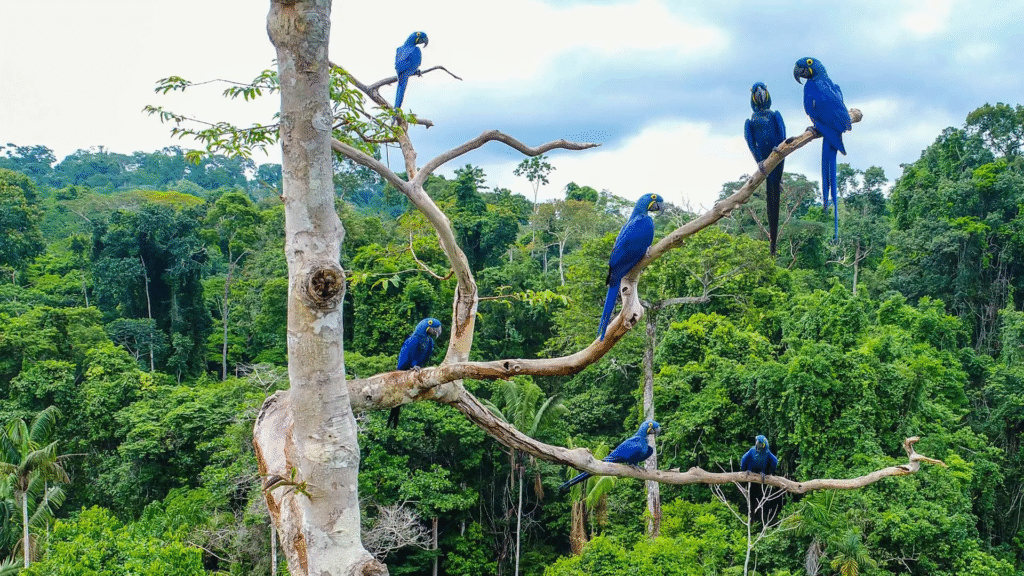
The Amazon Forest is full of life. Every inch is alive with sound, color, and movement. You will find fascinating animals, unique plants, and human cultures that thrive in harmony with nature.
Animals of the Amazon
Here are some of the most iconic animals that live in the Amazon Forest:
- Jaguar – The top predator of the forest.
- Sloth – A slow-moving mammal that lives in trees.
- Anaconda – One of the largest snakes in the world.
- Macaw – A colorful parrot with a loud voice.
- Poison Dart Frog – Tiny but deadly, with bright colors.
- Amazon River Dolphin – A rare pink dolphin found only in the Amazon River.
Plants of the Amazon
The forest is home to over 40,000 plant species. Important ones include:
- Brazil Nut Tree – Produces nuts we eat around the world.
- Rubber Tree – Source of natural rubber.
- Kapok Tree – One of the tallest trees in the forest.
- Coca Plant – Used in traditional medicine and rituals.
Threats to the Amazon Forest
Sadly, the Amazon Forest faces many dangers. These threats come from both human activities and climate change. If we do not act now, we could lose this treasure forever.
1. Deforestation
- Trees are cut down for wood, farming, and cattle grazing.
- Forests are burned to clear land.
- Every minute, the Amazon loses an area the size of three football fields.
2. Illegal Mining
- Gold and mineral mining pollute rivers.
- Mercury used in mining poisons fish and people.
- Mining destroys wildlife habitats.
3. Climate Change
- Rising temperatures dry out the forest.
- Droughts and wildfires become more common.
- Animals and plants struggle to survive.
4. Infrastructure Projects
- Roads and dams cut through forests.
- They bring more people, pollution, and destruction.
The Amazon River: Lifeline of the Forest
The Amazon River is the second longest river in the world. It flows over 6,400 kilometers and feeds the forest with water. The river:
- Carries more water than any other river on Earth.
- Supports fish, dolphins, and local communities.
- Connects remote forest areas to the outside world.
The river has over 1,100 tributaries. Its basin spreads across much of South America. Without the Amazon River, the forest would not survive.
Indigenous People of the Amazon Forest
Over 1 million Indigenous people live in the Amazon Forest. They belong to more than 400 tribes. Each tribe has its own language, culture, and way of life.
These communities:
- Hunt and fish for food.
- Use plants for medicine and rituals.
- Pass down history through storytelling.
Some tribes have never had contact with the outside world. They face major threats from deforestation and disease. Protecting their land also protects the forest.
Interesting Facts About the Amazon Forest
Here are some fun and surprising facts about the Amazon Forest:
- The Amazon has 390 billion individual trees.
- It produces 20% of the world’s fresh water.
- A single hectare can contain 750 types of trees and 1,500 species of plants.
- The rainforest influences rainfall in North America.
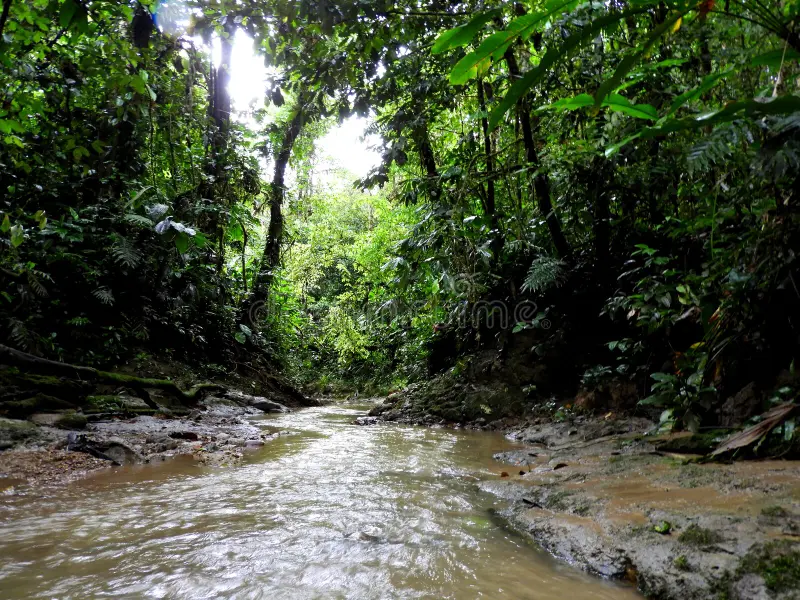
- Some parts of the forest are so dense that sunlight never reaches the ground.
How We Can Protect the Amazon Forest
Saving the Amazon Forest is not just the job of governments. We all can help. Here are simple steps you can take:
1. Buy Sustainable Products
- Choose wood and paper with FSC labels.
- Avoid beef and soy linked to deforestation.
- Support eco-friendly brands.
2. Support Indigenous Rights
- Donate to organizations that protect tribal lands.
- Learn about Indigenous cultures and respect their wisdom.
3. Reduce Carbon Footprint
- Use less energy and drive less.
- Switch to renewable energy sources.
- Eat less meat and waste less food.
4. Raise Awareness
- Talk to others about the Amazon Forest.
- Share facts on social media.
- Support documentaries and books on rainforest topics.
Global Efforts to Save the Amazon
Many international groups work hard to protect the Amazon Forest. Some of these efforts include:
- REDD+ Programs – Pay countries to keep forests standing.
- Protected Areas – Governments set aside land as national parks.
- Reforestation Projects – Plant new trees to replace lost ones.
Countries like Brazil, Peru, and Colombia have laws to limit deforestation. But enforcement remains weak in many areas.
Technology and the Amazon
Modern tools now help save the forest. Scientists use:
- Satellites to track tree loss in real time.
- Drones to monitor wildlife and illegal activity.
- AI to predict fire risks and plan forest management.
These tools give us hope. With the right data, we can act faster and smarter.
The Future of the Amazon Forest
The future of the Amazon Forest is in our hands. If we protect it, the forest will keep giving life to our planet. If we continue to destroy it, we will all suffer.
We must act now. The Amazon Forest is not just a South American treasure. It is a global resource that affects weather, food, water, and health for everyone.
Final Thoughts
The Amazon Forest is one of the most important places on Earth. It is full of wonders—towering trees, rare animals, ancient cultures, and hidden medicines. But it is also in great danger.
We have the power and knowledge to protect it. By making smart choices and raising our voices, we can help the forest thrive. Let’s keep the Amazon alive—for today and for the generations to come.
