


Chicken wire is a simple yet highly useful material that serves many purposes. It is lightweight, flexible, and easy to use, making it a favorite for both homeowners and farmers. Whether you need to build a chicken coop, protect your garden, or create DIY crafts, chicken wire is a great choice.
In this guide, we will explore the many uses of chicken wire, its benefits, and how to install it properly. By the end of this article, you will have a clear understanding of why chicken wire is a must-have for various projects.
What is Chicken Wire?
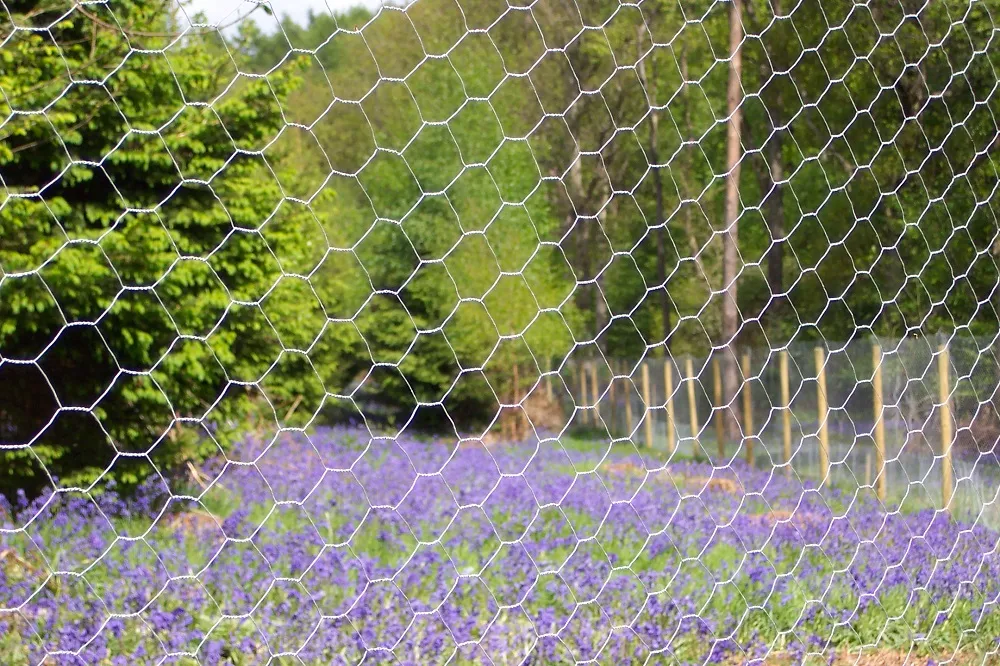
Chicken wire, also known as poultry netting, is a type of mesh made from thin, flexible galvanized steel. It is woven into a hexagonal pattern, which makes it strong yet easy to cut and shape.
This wire is commonly used for fencing, animal enclosures, and even craft projects. It is available in different sizes and thicknesses, allowing you to choose the right type for your needs.
Benefits of Chicken Wire
Chicken wire offers several advantages, making it a preferred material for many applications. Here are some of the key benefits:
1. Affordable
Compared to other fencing materials, chicken wire is inexpensive. It provides a cost-effective solution for creating barriers and enclosures.
2. Lightweight and Flexible
Chicken wire is easy to handle and shape. You can cut it with wire cutters and bend it to fit different spaces without much effort.
3. Durable and Rust-Resistant
Most chicken wire is galvanized, which means it has a protective zinc coating. This prevents rust and increases its lifespan, even when exposed to moisture.
4. Multipurpose Use
Chicken wire is not just for poultry. It can be used for gardening, home improvement projects, and even artistic crafts.
5. Easy to Install
You don’t need special tools or skills to install chicken wire. With basic tools like pliers, wire cutters, and staples, you can set it up quickly.
Common Uses of Chicken Wire
Chicken wire is incredibly versatile. Here are some of the most common ways people use it:
1. Chicken Coops and Animal Enclosures
As the name suggests, chicken wire is often used to build chicken coops. It helps keep chickens safe from predators while allowing fresh air to flow through. It is also ideal for creating cages for rabbits, birds, and other small animals.
2. Garden Protection
If you have a garden, chicken wire can help protect your plants from pests. You can use it to create a fence around your garden beds, preventing rabbits, deer, and other animals from eating your crops.
3. DIY Home Projects
Many DIY enthusiasts use chicken wire for creative home decor projects. Some popular ideas include:
- Chicken wire frames – Great for displaying photos or notes.
- Rustic light fixtures – Creates a farmhouse-style lamp or chandelier.
- Wall organizers – Helps keep small items neatly arranged.
4. Compost Bins
If you want an easy way to compost, chicken wire can be used to build a compost bin. Its open structure allows air to circulate, which speeds up decomposition.
5. Stucco Support in Construction
Builders use chicken wire as a reinforcement layer under stucco. It helps the plaster adhere better, making walls stronger and more durable.
How to Install Chicken Wire
Installing chicken wire is a straightforward process. Follow these steps to set up a strong and secure fence:
Step 1: Gather Your Materials
You will need:
- Chicken wire roll
- Wooden or metal fence posts
- Wire cutters
- Pliers
- Staples or zip ties
Step 2: Mark Your Fence Line
Use stakes and string to outline where the fence will go. This ensures a straight and even installation.
Step 3: Install the Fence Posts
Place the posts into the ground at regular intervals (about 5–8 feet apart). Make sure they are secure and evenly spaced.
Step 4: Unroll the Chicken Wire
Carefully unroll the chicken wire along the fence line. Attach one end to a post using staples or zip ties.
Step 5: Secure the Wire to the Posts
Stretch the wire tightly and attach it to each post. Use pliers to twist the wire around the posts for extra security.
Step 6: Trim Excess Wire
Use wire cutters to remove any extra wire. Be sure to bend or tuck in sharp edges to prevent injuries.
Choosing the Right Chicken Wire
Not all chicken wire is the same. Here are some factors to consider when choosing the right type for your project:
1. Wire Gauge
The gauge refers to the thickness of the wire. A lower gauge number means thicker wire. For stronger fences, choose a lower gauge.
2. Mesh Size
Chicken wire comes in different mesh sizes (the size of the hexagonal openings). Smaller mesh sizes are better for keeping out tiny animals and pests.
3. Coating Type
Most chicken wire is galvanized to prevent rust. Some types are PVC-coated, which adds extra durability and a smoother finish.
Tips for Maintaining Chicken Wire
To ensure your chicken wire lasts a long time, follow these maintenance tips:
- Check for rust regularly. If you see any rust spots, apply a rust-resistant spray.
- Secure loose sections. Over time, wind and movement may loosen the wire. Tighten it as needed.
- Trim sharp edges. If you notice any sharp ends, bend or cover them to prevent injuries.
- Replace damaged sections. If the wire breaks or weakens, replace that section to maintain strength.
Creative Ways to Use Chicken Wire for Crafts
Aside from fencing, chicken wire is a popular material for crafts. Here are some fun ideas:
1. Chicken Wire Christmas Trees
Shape the wire into a cone and decorate it with lights for a unique holiday decoration.
2. Jewelry Organizer
Attach chicken wire to a wooden frame and use it to hang earrings and necklaces.
3. Garden Trellis
Support climbing plants like tomatoes and cucumbers by using chicken wire as a trellis.
4. Rustic Baskets
Create handmade baskets using chicken wire for a farmhouse-style look.
Where to Buy Chicken Wire
You can find chicken wire at most hardware stores, garden centers, and online retailers. Some popular places to buy it include:
- Home Depot
- Lowe’s
- Tractor Supply Co.
- Amazon
- Local farm supply stores
When purchasing, check the specifications to ensure you get the right gauge and mesh size for your project.
Final Thoughts
Chicken wire is a versatile, affordable, and durable material that can be used for many projects. Whether you need it for fencing, gardening, or DIY crafts, it offers an easy and effective solution.
