


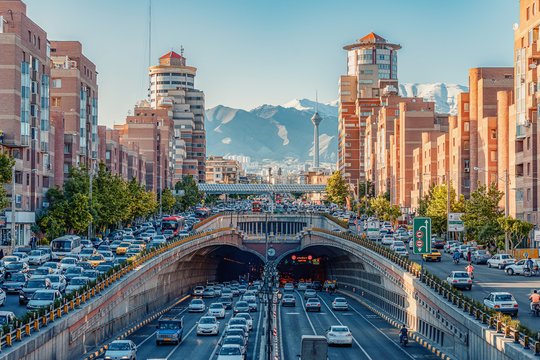
Iran is one of the oldest nations in the world. It has a deep, rich history and a diverse culture. From ancient cities to mountain villages, Iran offers something for every traveler. The country lies in the Middle East and holds a central place in global history. In recent years, interest in Iran has grown. Many people want to explore its beauty, meet its people, and understand its traditions.
A Glimpse into Iran’s History
Iran was once known as Persia. This name dates back thousands of years. The Persian Empire was one of the greatest empires in history. It ruled large parts of Asia, Africa, and Europe. Kings like Cyrus the Great and Darius built cities, roads, and monuments that still stand today.
Iran has seen many changes. It faced invasions, wars, and revolutions. Yet, it has preserved its identity. The country blends old and new. Ancient ruins sit beside modern buildings. Traditional values live inside a fast-changing society.
Key Historical Highlights
- 550 BC – Cyrus the Great founded the Achaemenid Empire.
- 331 BC – Alexander the Great conquered Persia.
- 7th century – Islam spread across Iran.
- 1979 – The Islamic Revolution changed Iran’s government.
Each of these events shaped the country into what it is today.
Rich Culture and Traditions
Iranian culture is colorful and deep. It includes poetry, music, dance, food, and art. The Persian language, also called Farsi, is the main language. Iranians are proud of their poets like Hafez, Rumi, and Ferdowsi. Their poems speak of love, nature, and life.
Popular Cultural Elements
- Nowruz – The Persian New Year starts on the first day of spring.
- Carpets – Persian carpets are famous for their quality and patterns.
- Calligraphy – Persian calligraphy is a respected art form.
Iran’s culture teaches respect for elders, hospitality, and strong family bonds.
Geography and Natural Beauty of Iran
Iran is large and offers many landscapes. You can find deserts, mountains, forests, and beaches. Each region has a different climate and charm.
Must-See Natural Places in Iran
- Dasht-e Kavir (Great Salt Desert) – A vast desert with salt lakes and sand dunes.
- Caspian Sea Region – Green forests and rice fields near the north.
- Mount Damavand – The highest peak in Iran and a popular hiking spot.
- Lut Desert – One of the hottest places on Earth, with stunning rock formations.
- Islands in the Persian Gulf – Kish Island and Qeshm Island are famous for their beaches and coral reefs.
Travelers can ski in the Alborz Mountains or swim in the warm southern waters. Iran’s nature is diverse and breathtaking.
Iranian Cuisine: A Feast of Flavors
Food in Iran is full of taste and tradition. Iranian dishes use herbs, saffron, pomegranate, and dried fruits. Meals often include rice, bread, vegetables, and meat.
Famous Iranian Dishes
- Chelo Kebab – Grilled meat served with saffron rice.
- Fesenjan – A stew made with pomegranate paste and walnuts.
- Ghormeh Sabzi – A herb stew with beans and meat.
- Tahdig – Crispy rice from the bottom of the pot.
- Ash Reshteh – A thick soup with noodles, beans, and herbs.
Iranians love to eat together. Food is a way to bond with family and guests.
Iran’s Architecture: A Blend of Art and Function
Iranian architecture is unique. It mixes function with beauty. Mosques, palaces, and gardens show Persian art and skill.
Iconic Architectural Wonders
- Persepolis – The ancient capital of the Achaemenid Empire.
- Nasir al-Mulk Mosque – Known as the Pink Mosque, famous for its stained glass.
- Shah Mosque – A grand mosque in Isfahan with blue tiles.
- Golestan Palace – A royal palace in Tehran.
These buildings use colors, tiles, and shapes that reflect harmony and peace.
Religion and Beliefs in Iran
Islam is the main religion in Iran. Most Iranians follow Shia Islam. Religion plays a big role in daily life. People pray, fast during Ramadan, and attend mosques.
Though Islam is strong, Iran respects other faiths. Zoroastrians, Christians, and Jews also live there. The country protects their rights by law.
Iran Today: A Complex Modern Nation
Iran is a mix of tradition and modern life. Cities like Tehran, Shiraz, and Isfahan have tall buildings, busy streets, and modern shops. At the same time, village life remains slow and peaceful.
Life in Modern Iran
- Young Iranians use the internet, social media, and follow global trends.
- Education is important. Many students go to universities.
- Women work, study, and lead in many fields.
Still, Iran faces issues. Sanctions, politics, and economic problems affect daily life. But the people remain strong and hopeful.
Tourism in Iran: What You Should Know
Iran is safe for tourists who respect the laws and culture. Visitors often say that Iranians are some of the kindest people in the world.
Travel Tips for Visiting Iran
- Dress modestly – Women must cover their hair and wear loose clothing.
- No alcohol – It is banned in public and private places.
- Currency – The official currency is the Iranian rial.
- Hospitality is key – People may invite you to their homes.
Tourists can visit historical cities, taste local food, and enjoy natural beauty. Iran offers a rich and warm experience.
Iranian People: Friendly and Hospitable
Iranians love guests. They often go out of their way to help travelers. If you visit Iran, expect to be welcomed with tea, sweets, and smiles.
Common Iranian Customs
- Taarof – A polite way of offering and refusing in conversation.
- Chai (Tea) – Always offered to guests.
- Shoes off indoors – It shows respect in Iranian homes.
Learning a few Farsi words like Salam (Hello) and Merci (Thank you) can go a long way.
Economy and Industry in Iran
Iran has rich natural resources. It has large oil and gas reserves. These resources support its economy. Industry, agriculture, and services also play a role.
Key Sectors of Iran’s Economy
- Oil and Gas – Make up most of Iran’s exports.
- Agriculture – Iran grows wheat, rice, fruits, and nuts.
- Handicrafts – Persian rugs, ceramics, and textiles are famous worldwide.
Despite international sanctions, Iran works hard to grow its economy and connect with the world.
Iran’s Role in the World
Iran plays a major role in world politics. It influences the Middle East and beyond. Its location makes it a key player in energy and trade routes.
Iran has a strong voice in OPEC and other organizations. At the same time, it faces tensions with some countries. Dialogue and diplomacy shape its future.
Festivals and Celebrations in Iran
Iranians love festivals. They celebrate both religious and cultural events.
Major Celebrations
- Nowruz – The Persian New Year, full of joy and tradition.
- Yalda Night – The longest night of the year, celebrated with poetry and fruit.
- Ashura – A day of mourning for Shia Muslims.
- Chaharshanbe Suri – A fire-jumping festival before Nowruz.
These events bring people together in joy and reflection.
Why You Should Explore Iran
Iran is more than politics and headlines. It is a land of kind people, rich culture, and stunning beauty. Travelers who visit Iran often say it changes their view of the world.
Top Reasons to Visit Iran
- Historic Sites – Ancient ruins and UNESCO sites.
- Warm Hospitality – Locals treat visitors like family.
- Delicious Food – Unique tastes and healthy meals.
- Affordable Travel – Low costs for accommodation and food.
- Cultural Depth – Music, poetry, art, and tradition.
Iran invites you to discover its soul.
Conclusion
Iran is a country of contrasts. It holds ancient wisdom and modern dreams. Its people smile through hardships and share their hearts with strangers. If you want to see history, taste culture, and meet warm people, then Iran is a perfect choice.
Whether you explore the deserts, walk through bazaars, or drink tea under the stars, Iran will leave a mark on your heart. This country tells stories through its lands, buildings, and people. It is waiting for you to listen, feel, and explore.
