


A linear function is one of the most basic and important concepts in mathematics. It appears in many real-life situations, from simple budgeting to predicting trends. In this article, we will explore what a linear function is, how it works, and why it matters. We will also look at examples, uses, and tips for solving linear function problems.
What Is a Linear Function?
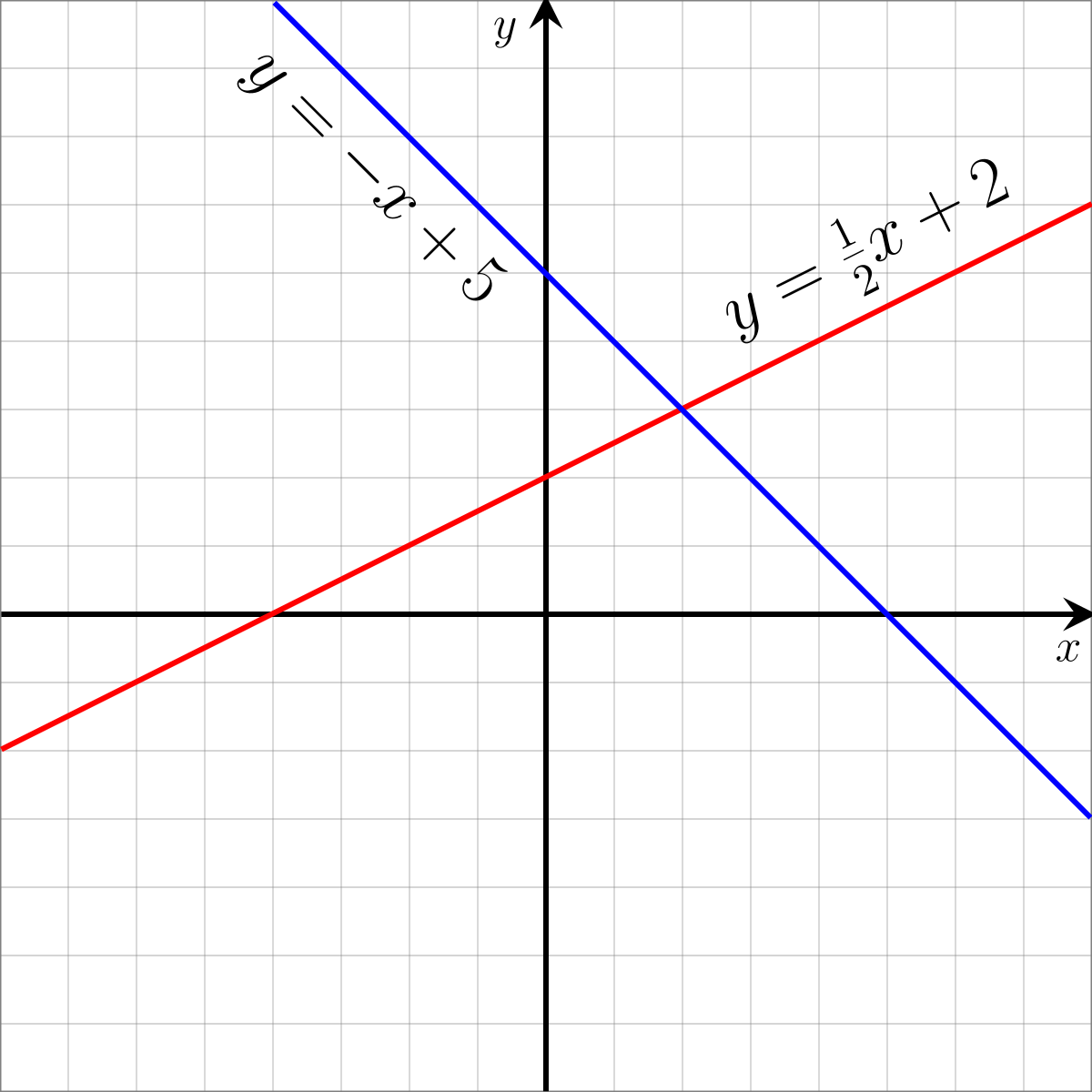
A linear function is a mathematical equation that forms a straight line when graphed. It shows a constant rate of change between two variables. In most cases, the function is written in the form:
f(x) = mx + b
Here’s what each part means:
- f(x): The value of the function, also called the output.
- x: The input or independent variable.
- m: The slope, or the rate of change.
- b: The y-intercept, or the point where the line crosses the y-axis.
This simple formula is the foundation of many equations in algebra and beyond.
Key Features of a Linear Function
Let’s break down the main features of a linear function:
1. Constant Rate of Change
The slope m tells us how much the value of f(x) changes for each unit increase in x. This rate stays the same across the entire line.
2. Straight Line Graph
When you plot a linear function on a graph, it always forms a straight line. This is why it’s called “linear.”
3. No Exponents
In a true linear function, the variable x is not raised to any power other than 1. If it is squared or cubed, the function becomes nonlinear.
How to Identify a Linear Function
To spot a linear function, look for these signs:
- The equation is in the form f(x) = mx + b.
- The graph is a straight line.
- The rate of change between any two points is constant.
Examples of Linear Functions
Here are a few examples:
- f(x) = 2x + 3
- y = -5x + 10
- f(x) = 0.5x – 4
Each of these equations produces a straight line when graphed.
Real-Life Examples of Linear Functions
Linear functions are not just for textbooks. They show up in many everyday situations. Let’s look at some common examples:
1. Budgeting
If you earn $15 per hour, your total pay is a linear function of the hours you work:
Total Pay = 15 × Hours Worked
2. Distance and Speed
If you drive at a constant speed of 60 mph, the distance you travel is a linear function of time:
Distance = 60 × Time
3. Phone Plans
Some phone plans charge a base fee plus a cost per minute. That’s a linear function:
Total Cost = Base Fee + (Cost per Minute × Minutes Used)
Why Linear Functions Matter
Understanding linear functions helps you:
- Solve real-world problems.
- Predict outcomes and trends.
- Build a strong foundation for advanced math.
- Improve logical thinking and problem-solving skills.
Linear functions are also key to careers in science, engineering, economics, and computer programming.
How to Graph a Linear Function
Graphing a linear function is easy if you follow these steps:
Step-by-Step Guide:
- Write the Equation
Make sure it’s in the form y = mx + b. - Find the Y-Intercept (b)
Plot the point where the line crosses the y-axis. - Use the Slope (m)
From the y-intercept, use the slope to find another point.- If m = 2, go up 2 and right 1.
- If m = -1, go down 1 and right 1.
- Draw the Line
Connect the points with a straight edge.
Common Mistakes to Avoid
Even simple functions can lead to mistakes. Here are some common errors:
- Confusing Slope and Intercept: Remember, the slope is the rate of change, and the intercept is the starting point.
- Plotting Mistakes: Always double-check your graph.
- Using the Wrong Formula: Keep the standard form in mind: f(x) = mx + b.
Tips for Solving Linear Function Problems
Here are some tips to help you work with linear functions:
1. Understand the Problem
Read carefully and figure out what is changing and what stays the same.
2. Identify the Slope and Intercept
Find m and b from the equation or the context.
3. Write the Function
Use the standard form to write your equation.
4. Check Your Work
Always test your function with a sample value to make sure it works.
Comparing Linear Functions
Sometimes, you have more than one linear function. You may need to compare them. Here’s how:
1. Look at the Slope
- A steeper slope means a faster rate of change.
- A flatter slope means a slower change.
2. Check the Y-Intercept
The y-intercept shows the starting value. Compare the intercepts to see which function starts higher or lower.
3. Graph Both Functions
Seeing them side by side helps you understand the differences.
Solving a System of Linear Functions
In many real-life problems, you need to solve two linear functions at once. This is called a system of linear equations. You want to find the point where the two lines meet.
Methods to Solve:
- Graphing: Plot both lines and find the intersection.
- Substitution: Solve one equation for one variable and plug it into the other.
- Elimination: Add or subtract the equations to eliminate a variable.
Linear Function vs. Nonlinear Function
It’s easy to confuse linear and nonlinear functions. Here’s a quick comparison:
| Feature | Linear Function | Nonlinear Function |
|---|---|---|
| Graph | Straight Line | Curved Line |
| Equation | f(x) = mx + b | May include x², x³, etc. |
| Rate of Change | Constant | Varies |
Practice Questions
Try these for better understanding:
- Write the linear function for:
A taxi charges $3 base + $2 per mile. - Graph the function:
y = -3x + 6 - Compare the functions:
- f(x) = 2x + 4
- g(x) = 2x – 1
Which one has the higher starting point?
Summary: Why You Should Master Linear Functions
Let’s review the key points:
- A linear function shows a constant rate of change.
- Its graph is always a straight line.
- It follows the form f(x) = mx + b.
- It helps solve real-life problems in finance, science, and more.
- It builds the base for more complex math.
Final Thoughts
Linear functions are simple, yet powerful. They are a key part of understanding how the world works. Whether you’re a student learning algebra or an adult managing finances, knowing how to use a linear function gives you a major advantage. Practice regularly, keep it simple, and you will master it in no time.
