


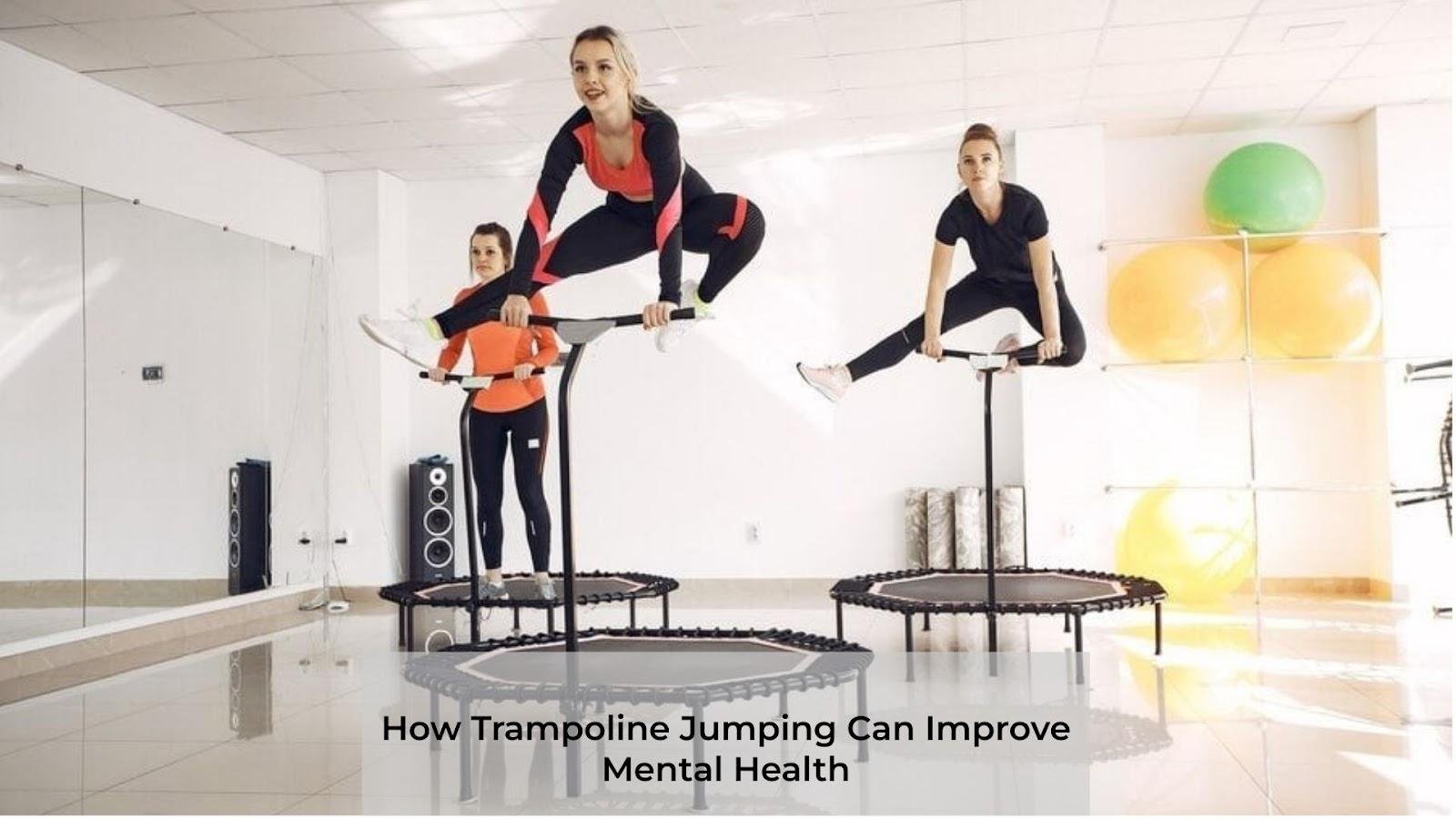
Trampoline jumping is becoming a very popular activity of the day, not only for playing but even as an exercise activity that positively affects mental health. The vision of jumping up and down on the trampoline is a childhood memory that has to be reckoned with, and research with personal accounts points out very significant positive effects it would have on people’s mental well-being. Reduces stress and anxiety, and enhances mood, and cognitive function; among those quick to take the experience and enjoy it, trampoline jumping has become a unique way of improving mental health.
Releasing Endorphins for Mood Enhancement
One of the most documented effects of exercise is the action it has on the production of endorphins, the body’s natural “feel-good” chemicals. Bouncing around on a trampoline provides aerobic exercise that encourages the production of these endorphins, which not only can boost your mood but also have a calming effect when it comes to beating depression and anxiety. Whether you’re visiting a trampoline park or using a trampoline at home, the rhythmic, repetitive motion of trampolining has been shown to help stimulate the release of these mood-enhancing chemicals. Hopping is easy and it makes it fun and instantly lifts your spirits, making trampolines a great way to get happy and improve well-being while also staying indoors.
Reducing Stress and Anxiety
Trampoline jumping is an excellent stress-reduction activity too. It forces you to jump, and then you have to breathe in deep, and the lower levels of cortisol – the body’s major stress hormone- derive from deep breathing. The decrease in the levels of cortisol further leads to decreasing feelings of tension and anxiety. Additionally, this physical exertion from trampoline bounces up and down can help you burn all that pent-up body tension, hence setting you free, and feeling more relaxed, and composed. Trampoline jumping is the best reliever of stress for anyone who practices regularly and can tone down the effects of daily stressors in life.
Boosting Cognitive Function and Focus
It was also surprising to know that trampoline jumping can improve cognitive abilities. This is because, as an aerobic activity, increased flow of blood into the brain improves concentration and memory while solving problems. Neuroscience studies have found that it is through regular exercise- for example, jumping on a trampoline-that one can improve neuroplasticity; the ability of the brain to form new connections and strengthen existing ones. For those who cannot concentrate or are mentally fatigued, a few moments of bouncing may be all that is required to “reboot” the brain and revive mental alertness.
Trampoline jumping has also proven to enhance coordination and balance capabilities, a coincidental facilitator towards better brain functionality and motor abilities. By applying different aspects of the brain to maximize both cognitive and physical progress, trampoline jumping could be a solid activity in improving overall mental well-being.
Improving Self-Esteem and Confidence
It is possible that through a physical activity such as trampoline jumping, the sense of self-esteem and body image may be improved. With your increasing strength and coordination in performing exercises on a trampoline, you may feel more confident in your skills. The thrill that comes with mastering new jumps or routines can improve your self-worth. In addition, regular physical activities are said to positively affect body image and make a person feel comfortable and confident about his or her skin.
Encouraging Social Interaction and Connection
Trampoline jumping does not have to be an individual activity. Many parks offer group classes, family activities, or just a setting that allows people to get together and jump around for a lively time. The opportunity to socialize with others while participating in some physical activity may help alleviate isolation, a need that is particularly pertinent in cases of depression and anxiety. Shared laughter and positive energy in trampoline parks offer a sense of belonging and deeper connections that are crucial elements for good mental health.
Promoting Mindfulness Through Movement
Another form of mental health technique that trampoline jumping can improve on is being mindful, or focused in the moment. As you listen to your jumps’ rhythm and feel the bouncing motion, you tend to withdraw yourself from all those distracting and disturbing thoughts and ideas. The sense of weightlessness and the feeling of being “in the air” can create such a state of mindfulness, where you are completely engaged in the activity and there is little room for negative thoughts or anxiety. It is extremely soothing for those with racing thoughts or mental overwhelm.
Increasing Energy Levels and Reducing Fatigue
Another benefit of trampoline jumping is increased overall energy level. Exercise, in general, is known to counteract fatigue by promoting the body’s production of mitochondria, the cell’s energy producers. The trampoline emphasizes cardiovascular fitness and full-body movement to increase stamina and minimize feelings of tiredness throughout the day. More energy generally results in greater mental acuity and positive attitudes, allowing people to maintain mental clarity and concentration in both their personal and professional lives.
A Fun and Playful Outlet
Today, most of the world is so busy that many unplayful personalities seem to be experienced. Trampoline jumping gives room to release inner childlike joy and a wonderful opportunity to engage in playful, carefree activity – an aspect that can easily impact one’s mental health since it provokes a temporary departure from everyday stresses. The lighthearted nature of bouncing on a trampoline can easily break up the monotony and encourage a more playful, joyful perspective, all of which are necessary for building up emotional resilience and generally being healthy mentally.
FAQs
1. How does trampoline jumping improve mental health?
Trampoline jumping improves mental health by releasing endorphins, which are the body’s natural mood-boosting chemicals. The repetitive motion helps reduce stress, alleviate anxiety, and improve overall mood. Additionally, it promotes better cognitive function, mindfulness, and self-esteem, all of which contribute to enhanced mental well-being.
2. Can I enjoy the mental health benefits of trampoline jumping at home?
Absolutely! You can experience the mental health benefits of trampoline jumping in the comfort of your own home. Whether you’re using a mini-trampoline or a larger outdoor model, jumping at home offers a convenient and effective way to boost your mood, reduce stress, and increase overall mental well-being without needing to visit a trampoline park.
3. Is trampoline jumping suitable for all fitness levels?
Yes, trampoline jumping is suitable for people of all fitness levels. Whether you’re a beginner or more experienced, you can adjust the intensity of your jumping routine to fit your fitness and comfort level. For those new to exercise or with limited mobility, low-impact bouncing can still provide significant benefits, while more advanced jumpers can enjoy more intense workouts for improved strength and coordination.
4. How long should I jump on a trampoline to see mental health benefits?
Even just 10-15 minutes of trampoline jumping can provide an immediate boost to your mood and help reduce stress. For sustained mental health benefits, aim to jump for about 20-30 minutes a few times a week. As with any form of exercise, consistency is key to experiencing long-term improvements in mental well-being.
These FAQs address common questions while reinforcing the article’s main points about the mental health benefits of trampoline jumping.
Conclusion: A Fun, Simple Path to Better Mental Health
Trampoline jumping, though an activity often perceived merely as fun, actually has profound effects on mental health. There is the facilitating of moods through release of endorphins and reduction of stress to elevated cognitive function among the positive impacts on mental health. It means there can be chances to have enhanced mental clarity, increased energy, better focus, and greater joy and relaxation with trampoline jumping. Whether you want to lose weight, exercise to relieve stress, or even just have fun, trampoline jumping is a basic, easy, and efficient route toward better mental health.
So the next time you feel overwhelmed or just want a lift in your mood, why not spend a few minutes bouncing on a trampoline? You might be amazed at the mental health rewards accrued with every bounce.
